The Credit Card Trap: Swipe Now, Regret Later

Congratulations.
You survived university, job applications, awkward interviews, and questions about where you see yourself in five years. You finally have a salary.
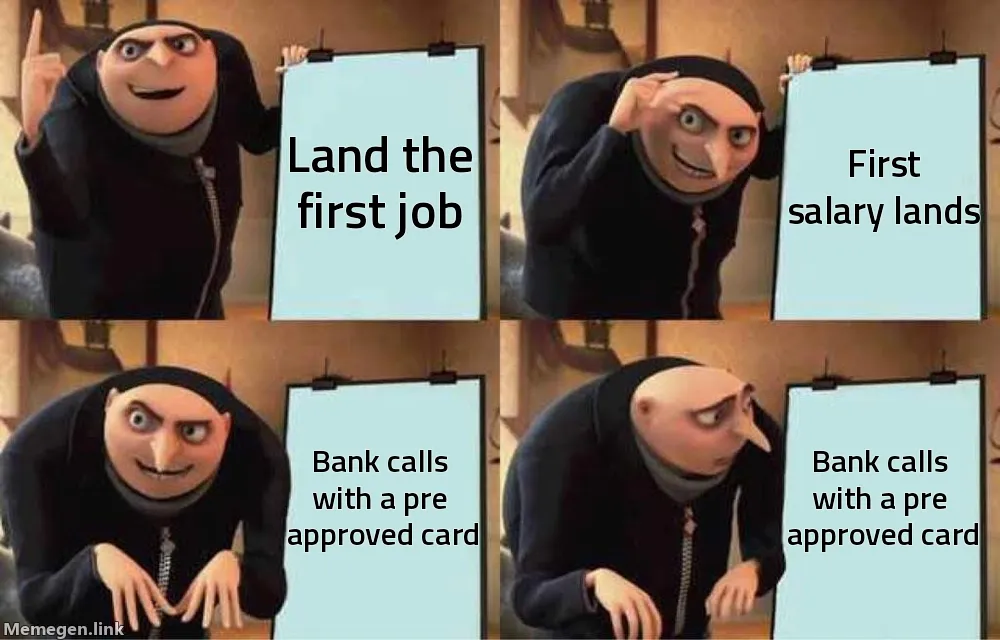
Then the bank calls. “Congratulations, you are eligible for a premium credit card.” You have been employed for twelve working days, but apparently the financial system has already recognised your elite status.
The card arrives in a beautiful envelope. It says Gold, Platinum, Signature, or something equally majestic. Your salary is extremely finite, but your credit card is called Infinite. This is where the trouble begins.
The Bankruptcy Mathematics
Suppose your monthly salary is $1,200 and the bank gives you a $2,000 credit limit. Your newly employed brain may calculate:
The correct calculation is less exciting:
| Category | Amount |
|---|---|
| Your month income | $1200 |
| Money the bank allows you to owe | $2000 |
| Your actual monthly income | Still $1,200 |
A credit limit is not additional income. It is permission to borrow.
The bank does not say, “Congratulations, you may now owe us $2,000,” because that would look terrible on the brochure.
Entry-Level Salary, Mid-Level Lifestyle
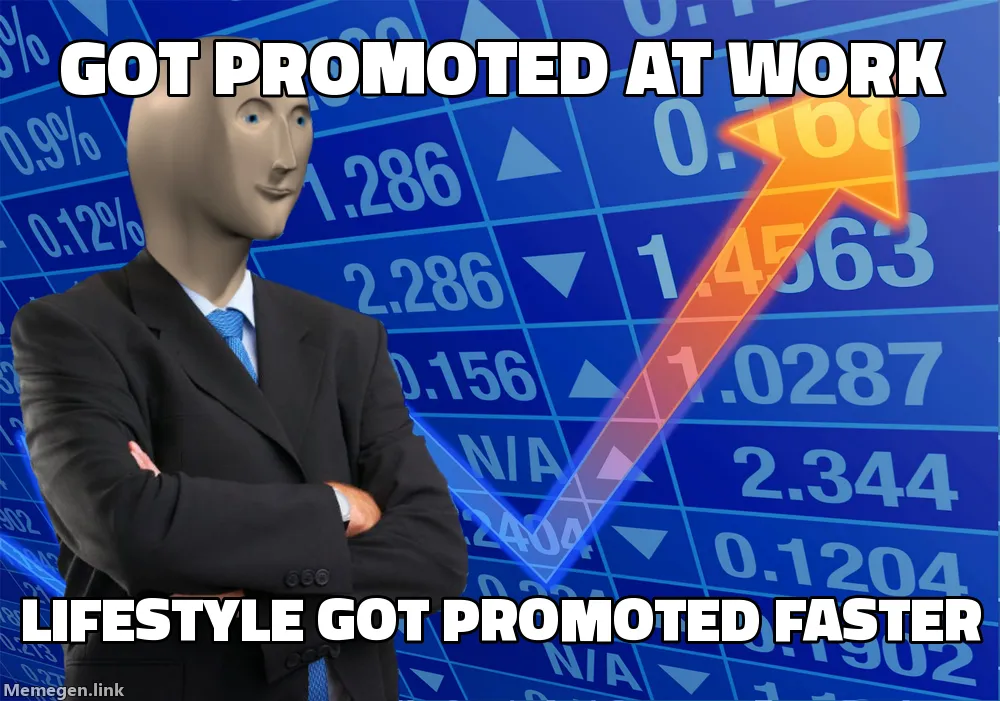
The first salary changes people. Suddenly, the old phone feels slow, the clothes seem unprofessional, cooking feels impossible, and public transport no longer suits someone with a company email. The credit card makes lifestyle upgrades easy before the salary can support them.
Death by Completely Reasonable Purchases
Credit card debt rarely begins with a yacht. It usually begins with coffee, food delivery, rides, subscriptions, office clothes, and online purchases that were “basically free” because they were 20 percent off.
| Monthly Purchase | Cost |
|---|---|
| Coffee and snacks | $60 |
| Food delivery | $110 |
| Ride-sharing | $90 |
| Subscriptions | $45 |
| Office clothes | $120 |
| Weekend meals | $85 |
| Random online purchases | $70 |
| Total | $580 |
Nobody destroys a budget with one coffee. They do it with 47 completely reasonable coffees.
Minimum Payment, Maximum Regret
Then the credit card statement arrives. Total balance: $1,000 Minimum payment: $50 Wonderful. A large debt has been redesigned as a small monthly inconvenience. Suppose the card charges 24 percent annual interest, or roughly 2 percent per month.
Around $20 of your first $50 payment covers interest. Only about $30 reduces the original debt. If you keep paying $50 monthly, make no new purchases, and face no additional fees, repayment could take roughly 26 months. You could pay around $290 in interest, turning a $1,000 purchase into something closer to $1,290.
The minimum payment is the financial version of writing only your name on an exam. Technically, you participated.
Cashback Is Not a Rescue Mission
Spend $500 with 2 percent cashback and you earn $10. Carry the balance and pay $25 in interest.
Rewards are useful when you pay the full statement balance. Otherwise, reward points are tiny pieces of confetti released while the interest bill enters the room. Spending $100 to earn $2 is not passive income. It is extremely active spending.
Debt Can Trap Your Career Too
The biggest cost of credit card debt may not be the interest. It may be the loss of choices. You might want to leave a bad workplace, pursue higher education, move to another city, build a business, or accept a better role that initially pays less. But rent, installments, subscriptions, and card payments are already waiting for your next salary.
Savings give you options. Debt gives your employer confidence that you will return on Monday.
Your First Salary Deserves Better
A credit card is not automatically bad. It can offer convenience, purchase protection, rewards, and a way to build credit history. The problem begins when it becomes an extension of your salary. Before buying something, do not ask, “Will the card work?” It probably will. Ask, “Can I pay the full statement balance when it is due?” Your first job should help you build freedom, not finance a lifestyle created by Present You and assigned to Future You. Congratulations on your first job. Enjoy your salary before your credit card starts treating it like a subscription.